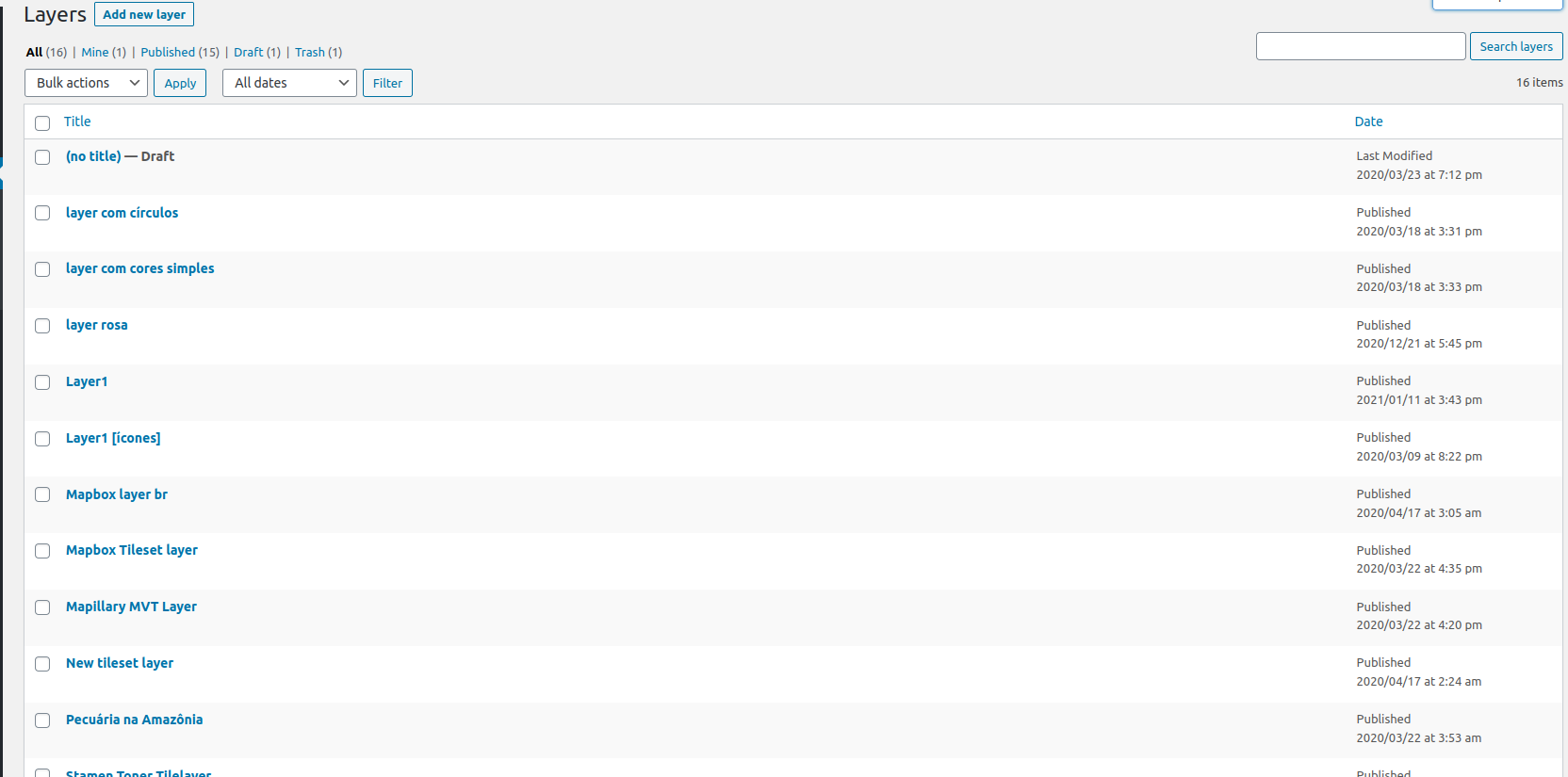
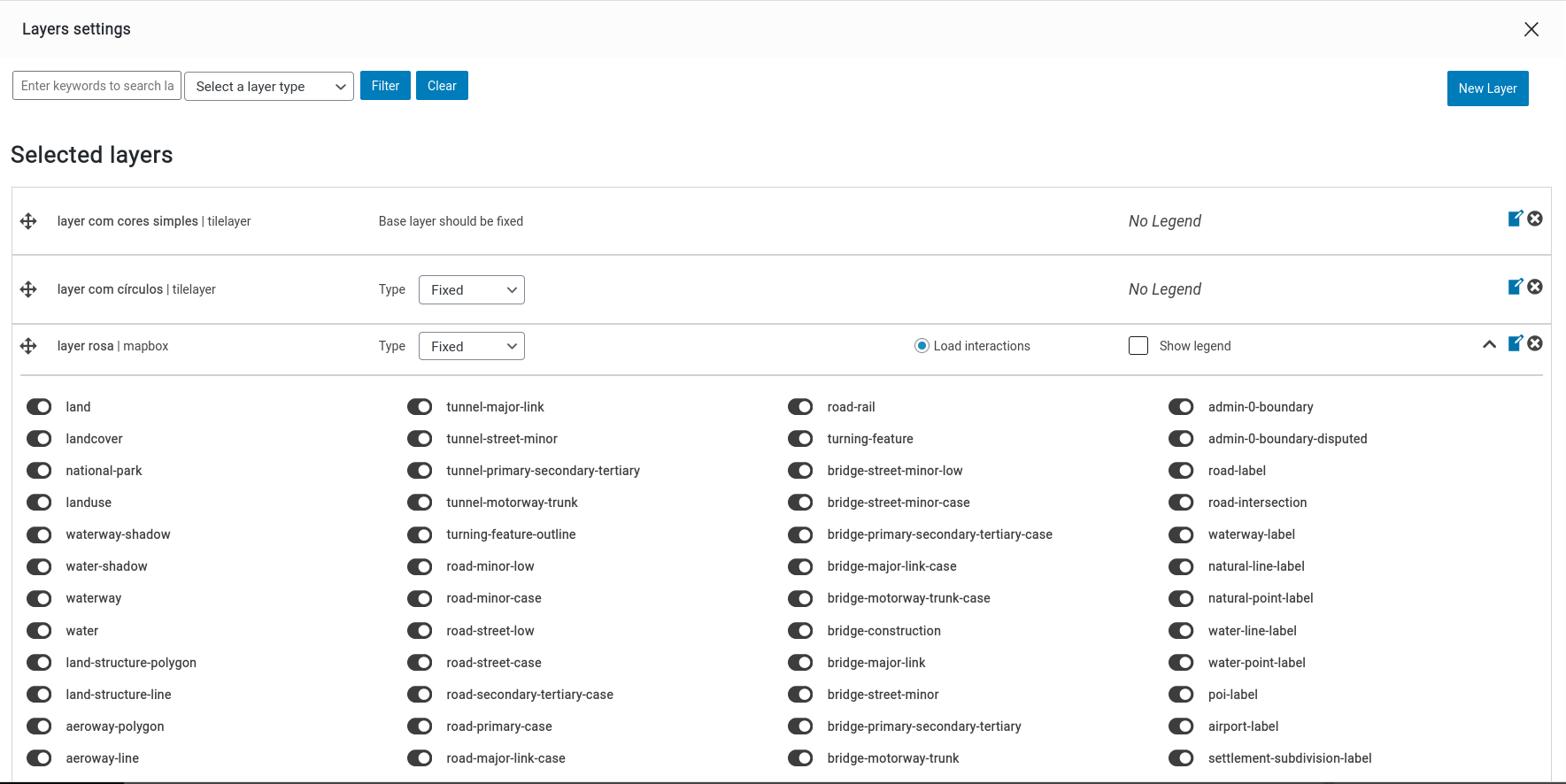
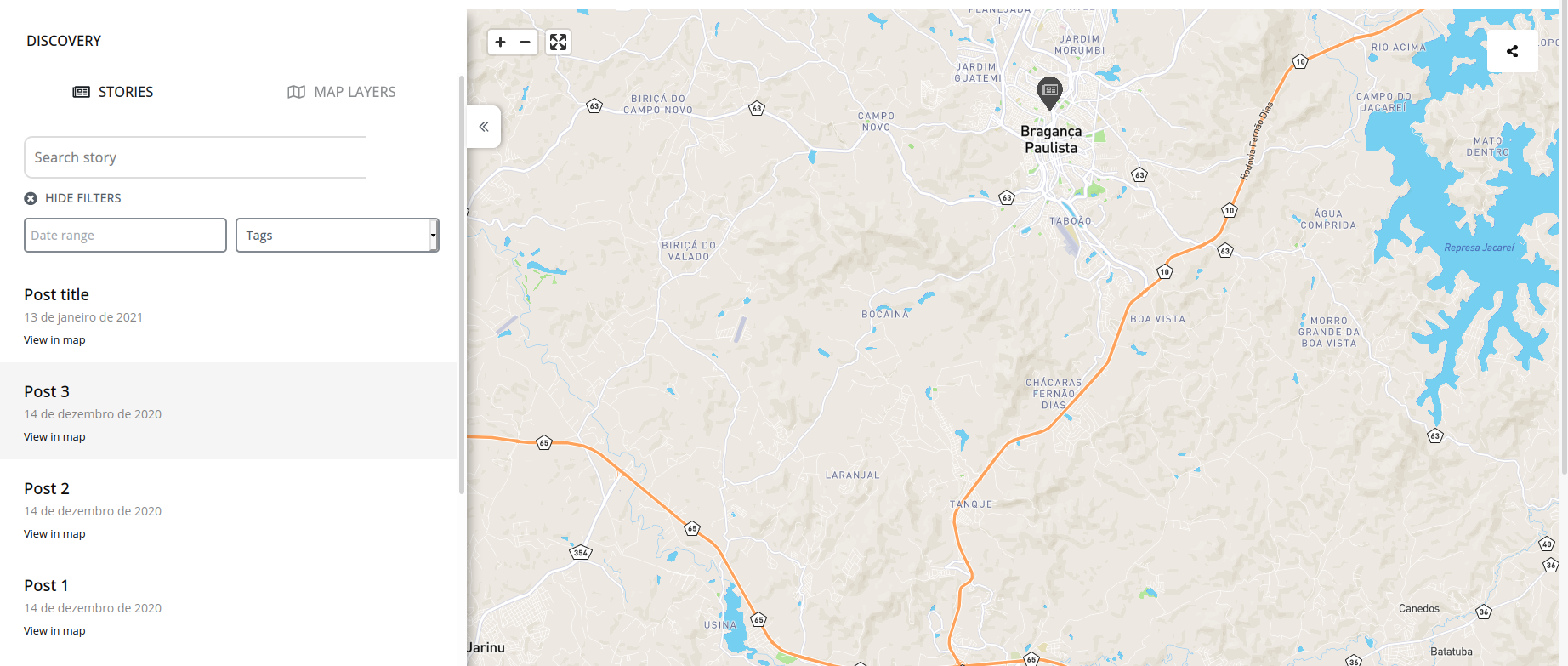
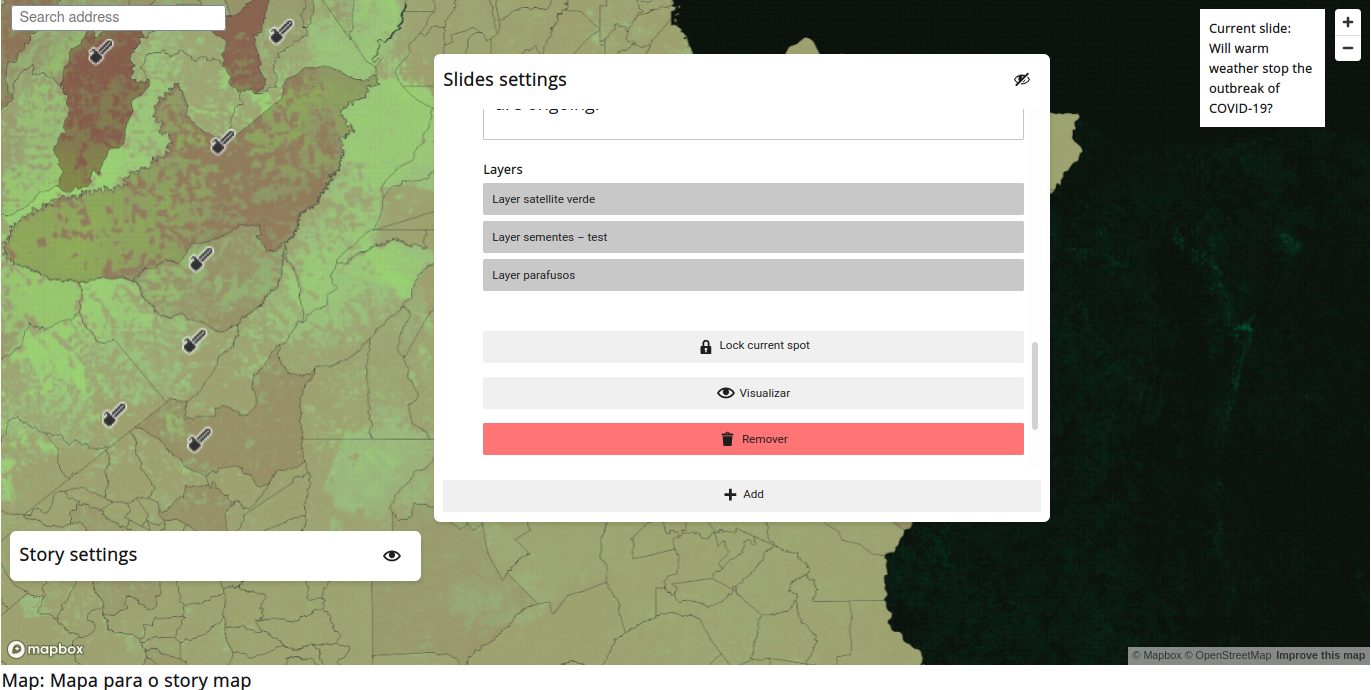
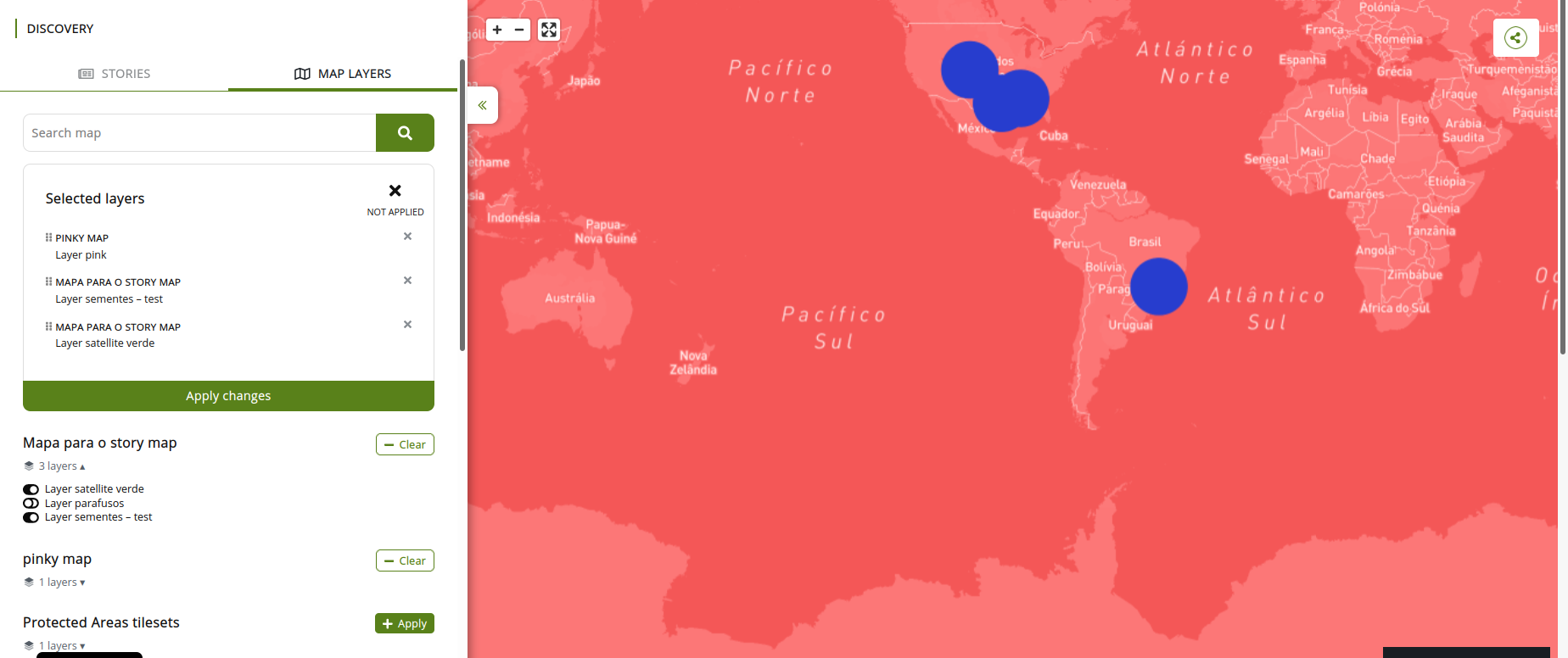
JEO is an open-source WordPress plugin that integrates geojournalism features into the editing and publishing workflow of news websites. The tool operates within the WordPress dashboard and Gutenberg editor, allowing users to create and manage data layers, maps, interactive blocks, and artificial intelligence settings directly from the editorial environment.
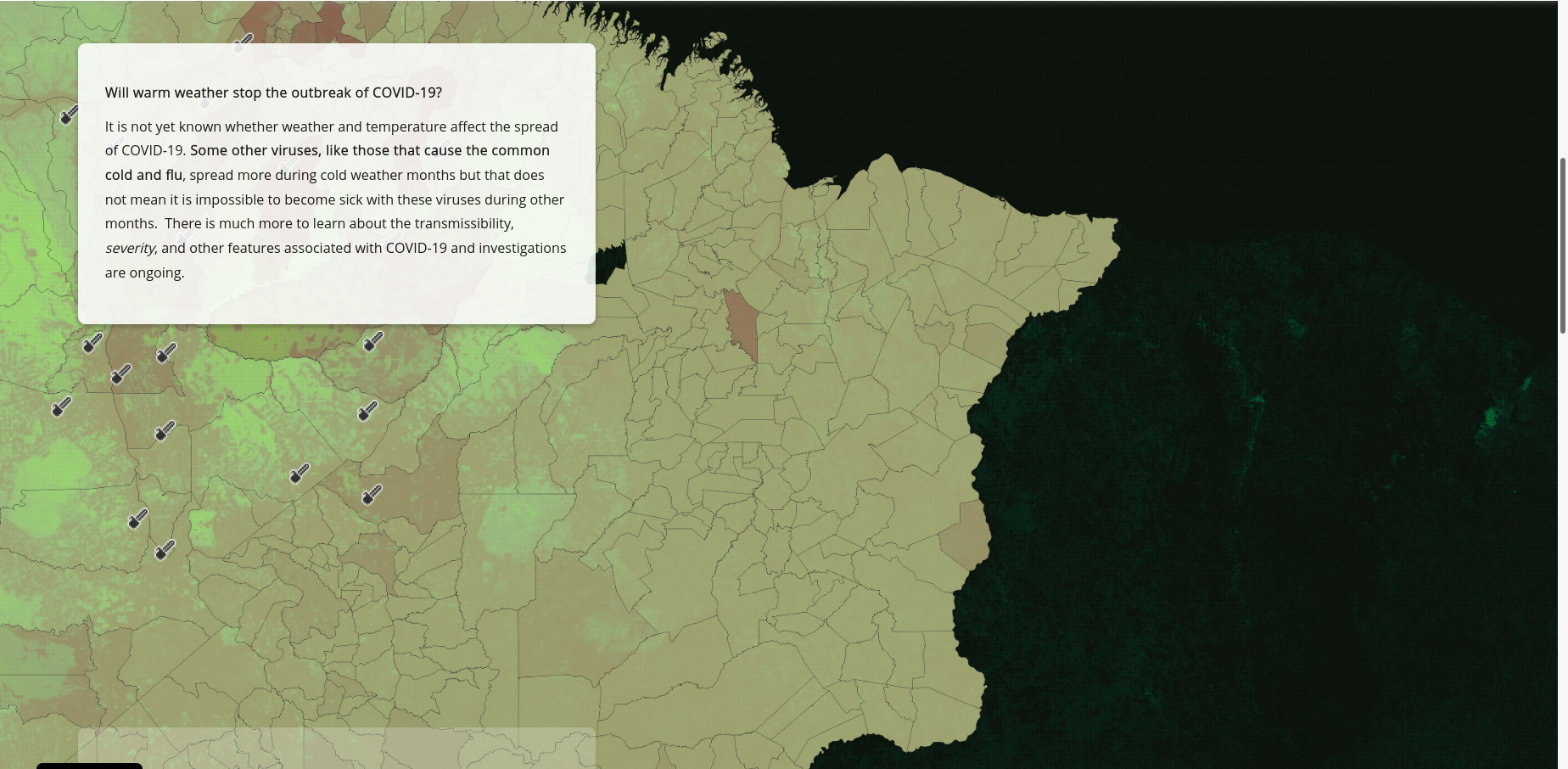
The project’s mapping infrastructure combines web mapping technologies such as Mapbox, MapLibre, and react-map-gl, as well as support for custom layers and geocoding through OpenStreetMap/Nominatim. This structure allows the plugin to associate news stories with geographic coordinates, display content on interactive maps, and retrieve geolocated posts for proximity-based features such as Stories Near Me.
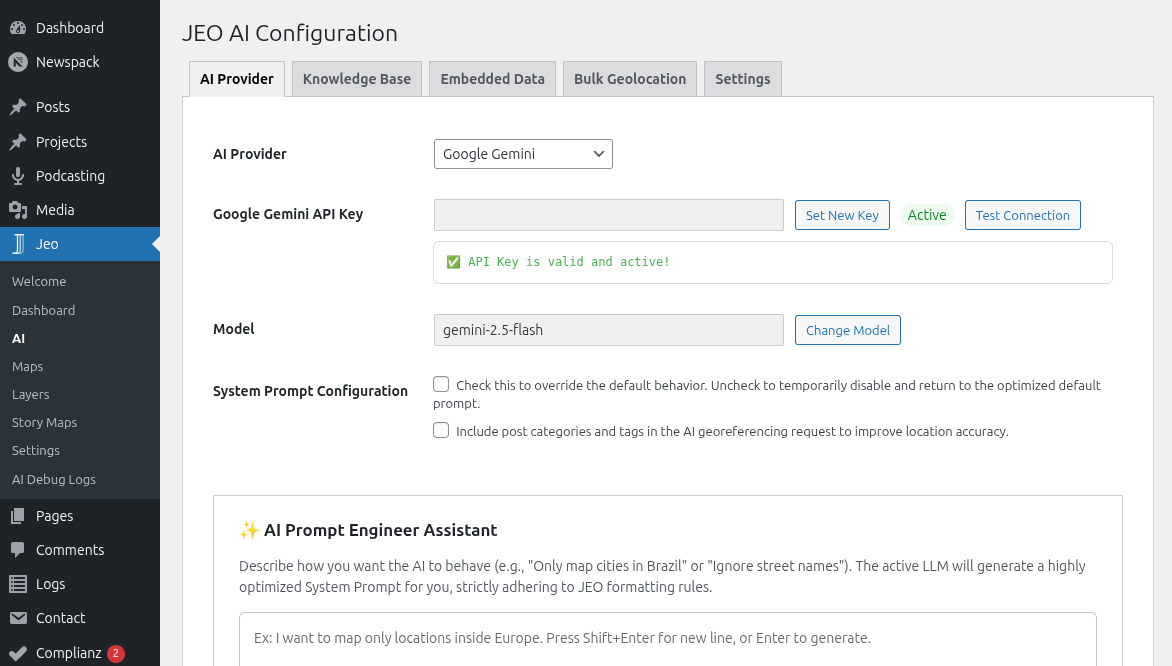
In the version supported by Codesinfo, JEO incorporated an artificial intelligence architecture designed to automate editorial and mapping tasks. The plugin allows different AI providers to be configured, including OpenAI, Google Gemini, Anthropic, Ollama, and others, and uses a knowledge base with RAG — a technique that enables AI to retrieve previously indexed information from the news outlet’s own archive before generating a response. As a result, AI features can consult the outlet’s archive before suggesting geolocations, maps, or additional contextual paragraphs.
The AI features work with specialized agents and structured outputs, allowing the system to return data in predictable formats, such as coordinates, confidence levels, map configurations, layers, pins, zoom levels, and references to related content. Batch geolocation uses WP-Cron to process large archives in the background, while AI-generated suggestions remain available for review, adjustment, and approval within the WordPress dashboard.
The project also includes features such as Minimap, which generates contextual maps based on the content of a story or natural-language commands, and the Context Assistant, which suggests editorial paragraphs based on the article’s content and references found in the news outlet’s indexed archive. In all cases, AI functions as a support layer for journalistic work, while final decisions remain in the hands of editorial teams.
As an open-source solution, JEO can be installed, adapted, and improved by other newsrooms and organizations interested in incorporating maps, geolocation, location-based recommendations, and artificial intelligence into their WordPress websites.